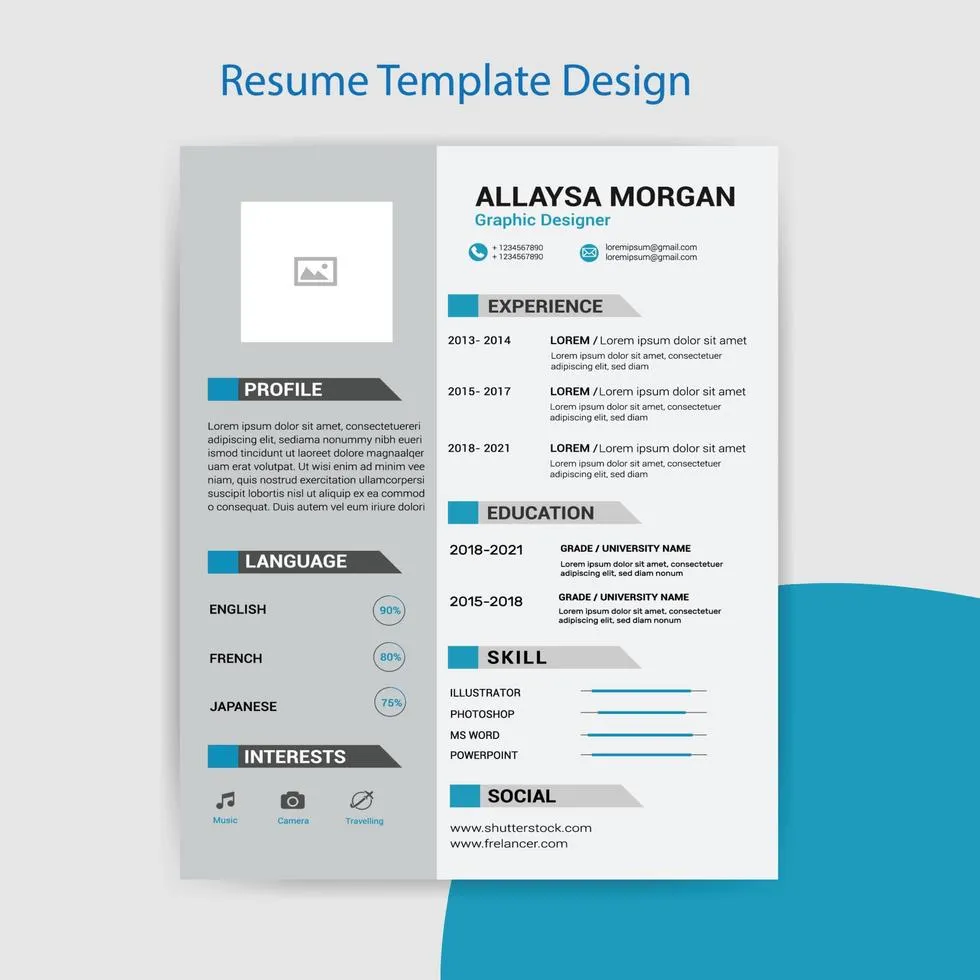
Understanding Resume Formatting Why It Matters
In the competitive job market, your resume is your first impression. It is a critical marketing document that showcases your skills, experience, and qualifications to potential employers. Proper formatting is crucial for making a positive impact and ensuring your resume gets noticed. A well-formatted resume is easy to read, visually appealing, and highlights the most important information, guiding the recruiter’s eye to your key strengths. Poor formatting, on the other hand, can lead to your resume being overlooked, regardless of your qualifications. Therefore, understanding and implementing effective resume formatting is a non-negotiable aspect of your job search strategy.
Choosing the Right Resume Format
Selecting the appropriate resume format is essential for showcasing your qualifications effectively. There are several common formats, each best suited for different career situations and experience levels. The three main resume formats are chronological, functional, and combination. The choice depends on your work history, the type of job you are applying for, and your career goals. Considering these factors helps you present your skills and experiences in the most advantageous manner, increasing your chances of landing an interview. Tailoring your format to the specific job requirements and your unique professional background can significantly boost your resume’s effectiveness.
Chronological Resume Format

The chronological resume format is the most traditional and widely used. It emphasizes your work history, listing your jobs in reverse-chronological order, starting with your most recent position. This format is ideal if you have a consistent work history and a clear career progression. It allows employers to easily see your career trajectory and the roles you have held over time. A chronological resume typically includes sections for contact information, a summary or objective, work experience, education, and skills. It is a straightforward and easily understandable format, favored by many employers for its clarity and simplicity.
Functional Resume Format
The functional resume format focuses on your skills and abilities rather than your work history. It’s particularly useful if you have gaps in your employment history, are changing careers, or have limited work experience. Instead of listing jobs chronologically, this format highlights your skills and achievements, grouping them under relevant categories. A functional resume typically includes a skills section, followed by a brief work history section. This format allows you to draw attention to your core competencies and downplay any employment gaps or irrelevant experiences. However, some employers may be wary of functional resumes, so use this format strategically.
Combination Resume Format
The combination resume format blends the strengths of both chronological and functional formats. It highlights both your skills and your work history, providing a comprehensive overview of your qualifications. This format usually starts with a skills section, followed by a chronological listing of your work experience. It is a versatile option that allows you to emphasize your key skills while still providing a clear picture of your career progression. Combination resumes are well-suited for candidates with diverse experiences or those who want to emphasize specific skills relevant to a particular job. This format is a balanced approach, offering the benefits of both formats while minimizing their weaknesses.
Formatting Essentials Making a Great First Impression

Beyond choosing the right format, several formatting elements are crucial for making a positive first impression. These elements contribute to the overall readability and visual appeal of your resume. The goal is to create a document that is easy to scan and understand, quickly conveying your qualifications to the hiring manager. By paying attention to these formatting essentials, you can ensure your resume stands out and increases your chances of getting an interview. Effective formatting is about clarity, professionalism, and making it easy for employers to see what you have to offer.
Font Selection for Readability
The font you choose significantly impacts the readability of your resume. Opt for clear, professional fonts such as Arial, Calibri, Times New Roman, or Helvetica. These fonts are widely recognized and easy on the eyes. Avoid using overly stylized or decorative fonts, as they can be difficult to read and detract from your message. The font size should be between 10 and 12 points for body text, and slightly larger for headings and your name. Consistent font usage throughout your resume is important for a polished and professional look. Make sure your chosen font is also compatible with Applicant Tracking Systems (ATS), which is a common way to submit your resume.
Margins and Spacing Creating White Space
White space is an essential formatting element that improves readability and prevents your resume from looking cluttered. Use margins of at least one inch on all sides of your document. This creates visual breathing room, making the text easier to scan. Proper spacing between sections, paragraphs, and bullet points also contributes to a clean, uncluttered appearance. Avoid cramming too much information onto a single page; a well-spaced resume is more inviting to read. Consistent use of white space helps emphasize the most important information and makes your resume more visually appealing. A balance of text and white space ensures your resume is both informative and easy to navigate.
Bullet Points and Their Importance

Bullet points are your best friend when it comes to presenting information concisely and effectively. Use bullet points to highlight your accomplishments, responsibilities, and skills in each job or project. This format allows recruiters to quickly scan your resume and grasp key information. Start each bullet point with a strong action verb to grab attention. Keep your bullet points short and to the point, focusing on the most relevant details. Be consistent with your bullet point style throughout your resume for a professional appearance. Well-crafted bullet points make your resume more scannable, helping you make a strong impression in a short amount of time. This format is ideal for highlighting your achievements and quantifying your impact whenever possible.
Sections to Include on Your Resume
The sections you include on your resume should be tailored to the specific job you are applying for and your individual experience. However, some standard sections are crucial for nearly every resume. These sections provide essential information about your background and qualifications. The order and emphasis of these sections may vary depending on your chosen resume format and the specific requirements of the job. Including the right sections, and organizing them effectively, is key to demonstrating your fit for the role. Carefully considering what sections you include can significantly increase your resume’s impact.
Contact Information
This section should be prominently displayed at the top of your resume and include your full name, phone number, email address, and professional LinkedIn profile URL (if you have one). Make sure your contact information is up-to-date and accurate. It is important to use a professional-sounding email address. You can also include a link to an online portfolio or personal website if you have one. Ensure your contact information is easy to find and read, as this is how employers will reach you. Double-check everything to avoid errors that could cause you to miss out on opportunities.
Summary or Objective

A summary or objective is a brief statement at the beginning of your resume that introduces you to the employer. A summary provides a snapshot of your skills and experience, typically used by experienced professionals. An objective statement outlines your career goals, often used by entry-level candidates or those changing careers. Tailor this section to the specific job you are applying for, highlighting the skills and experiences that are most relevant to the role. Keep it concise and impactful, aiming to capture the reader’s attention immediately. This section should give the employer a clear sense of who you are and what you are looking for.
Work Experience Highlighting Achievements
This section details your previous work experience, including your job title, company name, location, and dates of employment. Under each job, use bullet points to describe your responsibilities and achievements. Focus on quantifiable results whenever possible, using numbers and data to demonstrate your impact. Use action verbs to start each bullet point, and highlight the skills and accomplishments that are relevant to the job you are seeking. Tailor this section to each job application, emphasizing the experiences and skills that align with the specific requirements of the role. Be sure to arrange your work experience in reverse-chronological order for clarity.
Education Listing Your Qualifications
Include your educational background, including your degree, major, university name, and graduation date. You can also include your GPA if it is impressive or relevant to the job. If you have multiple degrees, list them in reverse-chronological order. For entry-level candidates, the education section may come before the work experience section. Consider including relevant coursework, honors, or awards to further highlight your qualifications. This section helps employers understand your academic background and qualifications. Ensure the information is accurate and up-to-date, providing all necessary details.
Skills Section Showcasing Your Abilities

A skills section is a dedicated space to showcase your abilities. This section can be divided into categories such as technical skills, soft skills, and language skills. Tailor this section to the specific job requirements, listing the skills that are most relevant to the role. Be honest and accurate in your assessment of your skills. Consider including a mix of hard and soft skills, demonstrating both your technical expertise and your interpersonal abilities. Using keywords from the job description can help your resume get past Applicant Tracking Systems (ATS). This section is essential for highlighting your key strengths and making it easy for employers to quickly see what you bring to the table.
Additional Sections Adding Value
Consider including additional sections to further highlight your qualifications and make your resume stand out. These might include volunteer experience, certifications, awards, publications, or professional affiliations. Only include sections that are relevant to the job you are applying for. If you have limited work experience, these sections can help demonstrate your skills and initiative. These sections provide additional insights into your personality and experience, making your resume more well-rounded. Make sure that all the information you include supports your candidacy for the job.
Proofreading and Editing Your Resume
Proofreading and editing your resume is the final, crucial step in the formatting process. Errors can undermine your credibility and make a negative impression on potential employers. Carefully review your resume for any typos, grammatical errors, or inconsistencies. Have someone else proofread it as well, as a fresh pair of eyes can often catch mistakes you might miss. Ensure all information is accurate, and the formatting is consistent throughout the document. This is your last chance to make sure your resume is polished and professional. A well-proofread and edited resume demonstrates attention to detail and a commitment to quality.
Common Formatting Mistakes to Avoid

Avoiding common formatting mistakes is essential for creating a professional and effective resume. Make sure you avoid errors that detract from the document’s readability and overall appeal. Common mistakes include inconsistent formatting, using overly complicated fonts, overcrowding the page, and including irrelevant information. Ensure consistency in your formatting throughout the document, using the same font sizes, margins, and bullet point styles. Avoid long paragraphs and too much text. Always use clear, concise language. By avoiding these common pitfalls, you can ensure your resume makes a positive impression.
In conclusion, mastering resume formatting is a critical aspect of a successful job search. By understanding the different resume formats, formatting essentials, and sections to include, you can create a document that effectively showcases your skills and experience. Always proofread and edit your resume to ensure it is polished and professional. Pay attention to these tips, and you’ll be well on your way to creating a resume that grabs attention and helps you land your dream job. Remember to tailor your resume to each specific job application for the best results.