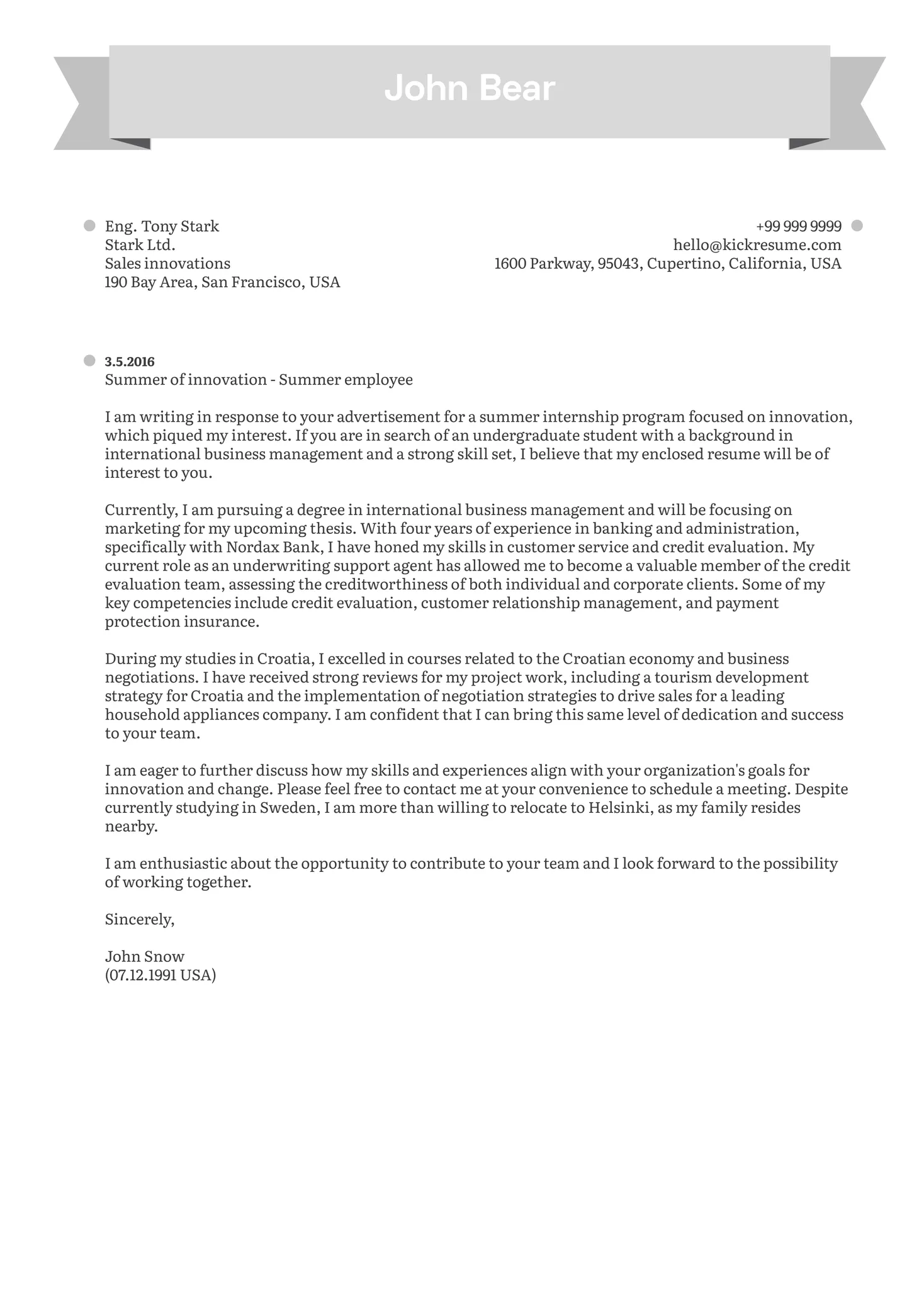
Understanding USA Jobs Cover Letters
Navigating the federal job market requires a strategic approach, and a well-crafted USA Jobs cover letter is your key to unlocking opportunities. Unlike standard private sector applications, USA Jobs applications often involve specific requirements and assessment criteria. This article provides an in-depth guide to writing a compelling cover letter that not only meets these requirements but also effectively showcases your qualifications. Understanding the nuances of federal application processes, including how to use keywords and highlight your skills, is critical. A strong cover letter demonstrates your understanding of the job’s requirements and your eagerness to serve. Writing a great cover letter is an investment in your federal career.
Purpose of a USA Jobs Cover Letter
The primary purpose of a USA Jobs cover letter is to introduce yourself and your qualifications to the hiring manager. It serves as a crucial introduction, providing a snapshot of your relevant skills and experience. This is where you can highlight how your qualifications directly align with the specific job’s needs, making it clear why you are a strong candidate. The cover letter is not just a formality; it’s your opportunity to articulate your unique value proposition. A well-written cover letter should encourage the hiring manager to read your resume with genuine interest. By clearly stating your career goals and ambitions, you position yourself as a serious applicant committed to the role.
Highlighting Key Qualifications and Skills

Your cover letter should spotlight the skills and qualifications most relevant to the job description. Carefully review the announcement and identify the key requirements. Then, provide specific examples from your professional history that illustrate how you’ve successfully applied those skills. Quantify your achievements whenever possible, using numbers and data to demonstrate the impact of your contributions. For instance, if the job description emphasizes project management, detail your experience leading projects, including the size of the team, budget management, and successful outcomes. Tailor your cover letter to each application. This targeted approach makes your application stand out.
Researching the Specific Job and Agency
Before drafting your cover letter, research the specific agency and job you are applying for. Understanding the agency’s mission, values, and recent initiatives will allow you to tailor your letter to their priorities. Explore the agency’s website, review their strategic plans, and consider the role you’ll play in contributing to their goals. This research demonstrates your genuine interest and proactive approach. It also provides valuable insights into the agency culture, which you can subtly incorporate into your letter. This shows you’re not just applying for a job, but you’re specifically interested in working with that organization. A cover letter reflects your thorough preparation.
Formatting Your USA Jobs Cover Letter
Formatting is as essential as content. A clear, professional format creates a positive first impression. Stick to a standard business letter format with your contact information at the top, followed by the date and the hiring manager’s contact details. Choose a readable font such as Times New Roman or Arial, and use a font size between 11 and 12 points. Maintain consistent margins and spacing throughout the document. The layout should be clean and easy to navigate, making it simple for the hiring manager to find the critical information. Ensure the letter is well-organized with distinct paragraphs and headings, helping to highlight key points efficiently. A well-formatted cover letter shows attention to detail.
Contact Information and Date

Start your cover letter with your contact information, including your full name, address, phone number, and professional email address. Make sure the email address is professional. Following this, include the date. Then, provide the hiring manager’s contact information, if available, including their name, title, and agency address. Using the hiring manager’s name adds a personal touch and shows that you’ve taken the time to research the specifics of the job. If you are unable to find the hiring manager’s name, use a general title such as ‘Hiring Manager’ or ‘Recruiting Team’. Make sure all information is current and correct, so you can be easily reached for follow-up.
Addressing the Hiring Manager
Addressing the hiring manager correctly is a significant part of making a great first impression. If the hiring manager’s name is available, use it. Addressing the letter to a specific person shows that you have taken the time to research and personalize your application. Use formal titles such as ‘Mr.’ or ‘Ms.’ before their last name, unless you know the individual personally. If you don’t know the hiring manager’s name, use a professional greeting like ‘Dear Hiring Manager’ or ‘Dear Recruiting Team’. Avoid generic greetings that could suggest a lack of effort. Regardless, make sure the greeting is professional, respectful, and relevant to the role and agency. A well-addressed letter gets you noticed.
Structuring the Body of Your Letter
The body of your cover letter is where you make your case, and it must be structured logically. Start with an engaging introduction that captures the reader’s attention. Then, use the subsequent paragraphs to provide concise, compelling details about your qualifications, experience, and skills. Structure the body in a way that helps the hiring manager quickly grasp your relevant skills. A well-organized cover letter allows the reader to easily follow your train of thought and understand how you are a good fit for the role. Each section should build upon the previous one, creating a narrative that highlights your suitability for the job. Proper structure helps you present your qualifications effectively.
First Paragraph Grab Attention

The first paragraph is your opening statement, and it should grab the reader’s attention immediately. State the position you’re applying for and mention where you saw the job posting. Include a brief statement of your enthusiasm and interest in the role and the agency. You can also briefly state your most relevant qualifications. The initial paragraph sets the tone for your letter and encourages the hiring manager to continue reading. Make it concise, compelling, and clearly state your purpose. Avoid generic openings. Make your first paragraph show your excitement.
Second Paragraph Explain Your Skills
In the second paragraph, emphasize your key skills and how they align with the job description. Review the job posting and identify the most important skills and qualifications. Provide specific examples from your professional experience where you have successfully used these skills. Use action verbs to describe your accomplishments and focus on tangible results. Quantify your achievements whenever possible. Provide enough details to demonstrate your capabilities but keep it concise. This paragraph is where you illustrate your competence. Your goal is to show how your expertise can contribute to the agency’s goals.
Third Paragraph Showcase Your Experience
The third paragraph should provide detailed examples of your experience. Choose relevant experiences that showcase your success in past roles. Describe the projects you led, the problems you solved, and the outcomes you achieved. If you’re transitioning careers, explain how your skills are transferable. Tailor your examples to the job requirements. Highlight your accomplishments, focusing on what you did, how you did it, and the positive results you achieved. A strong example can set your cover letter apart. Demonstrate your ability to perform the job with well-chosen examples.
Closing the Letter

Your closing paragraph should reiterate your interest in the position and summarize your qualifications. Thank the hiring manager for their time and consideration. State your enthusiasm for the opportunity and reiterate your understanding of the job’s requirements. Include a call to action, such as expressing your availability for an interview or providing additional information if needed. Conclude with a professional closing like ‘Sincerely’ or ‘Respectfully’. Ensure the tone is professional and enthusiastic and that you leave a lasting positive impression. It should be memorable, thanking the hiring manager again.
Proofreading and Editing Your Cover Letter
Proofreading and editing are the most critical steps. A cover letter filled with errors damages your chances. Check for grammatical errors, spelling mistakes, and punctuation errors. Ensure the formatting is consistent and that all the details are correct. Review the content for clarity, conciseness, and overall effectiveness. Make sure that all the information is up-to-date, including dates, titles, and contact details. A flawless cover letter shows your attention to detail. Having another person review your letter can help identify mistakes you may have missed. Errors can easily disqualify you. Reviewing your letter is a step not to skip.
Common Mistakes to Avoid
Avoid common pitfalls to ensure your cover letter is effective. Do not use generic cover letters – customize each letter for the specific job. Do not use excessive jargon or overly complex language. Avoid exaggerating your qualifications or providing misleading information. Also, avoid making the letter too long; keep it concise and focused. Do not include irrelevant information that distracts from your key strengths. Avoid unprofessional language, slang, or casual tones. Finally, do not forget to proofread carefully for any errors. A well-written cover letter avoids any of these mistakes. Take your time to write your letter.
Using Keywords Effectively

Keywords are crucial when applying for USA Jobs because the system uses these terms to screen applications. Review the job announcement and identify the keywords and phrases used to describe the required skills, experience, and qualifications. Incorporate these keywords naturally throughout your cover letter. Integrate keywords into your skills, experience, and accomplishments. However, avoid keyword stuffing. Use keywords relevant to the job without making the letter sound forced or unnatural. Using them naturally makes your application show up in searches. Make sure your skills match what the job description is looking for.
Seeking Feedback on Your Letter
Get feedback from others before submitting your cover letter. Ask friends, family, career counselors, or mentors to review your letter. Ask them to check for clarity, grammatical errors, and the overall impact of your letter. You can also have them assess whether your skills and experiences are clearly stated. Get opinions on the layout, formatting, and writing style. This will help you refine your cover letter. Incorporate their suggestions and make necessary revisions. Feedback often provides different perspectives. A second pair of eyes can catch mistakes and provide insights you might have missed. Always ensure your cover letter is your best representation.