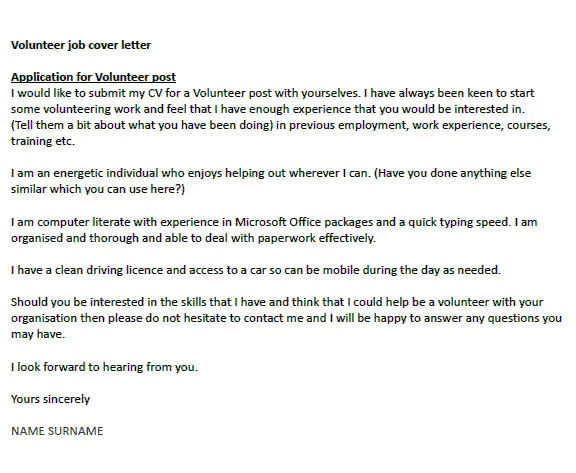
Crafting a Compelling Volunteer Work Cover Letter
A well-crafted volunteer work cover letter is your initial opportunity to make a positive impression on a prospective organization. It serves as more than just an introduction; it’s a vital tool for demonstrating your genuine interest, highlighting your relevant skills, and expressing your commitment to contributing to their mission. This comprehensive guide will provide you with the essential steps to create a cover letter that captivates the reader and increases your chances of securing a volunteer position. Whether you’re a seasoned volunteer or just starting out, mastering the art of the cover letter is key to unlocking rewarding volunteer opportunities.
Understanding the Purpose of a Cover Letter
The primary purpose of a volunteer work cover letter is to introduce yourself, articulate your motivation for volunteering, and persuade the organization that you are a suitable candidate. Unlike a resume, which presents your experience and skills, the cover letter allows you to explain why you are specifically drawn to their organization and how your abilities align with their needs. It provides a platform to convey your passion, personality, and enthusiasm, setting you apart from other applicants. A strong cover letter is not just a formality; it’s a strategic tool for making a lasting impression.
Highlighting Your Skills and Experience

Your cover letter should spotlight the skills and experiences that are most relevant to the volunteer role. Focus on transferable skills such as communication, teamwork, problem-solving, and any specific expertise that aligns with the organization’s requirements. This can include experience with event planning, administrative tasks, or direct service provision. Quantify your accomplishments whenever possible; for example, instead of saying “Managed social media,” state “Increased social media engagement by 20% through content creation.” This will demonstrate your ability to bring value and contribute to the organization’s goals.
Researching the Organization
Before you start writing, thorough research of the organization is crucial. Visit their website, read their mission statement, and understand their current programs and initiatives. This research will inform your cover letter, enabling you to express a genuine interest in their specific work. You can also tailor your letter to address the organization’s values and demonstrate how your skills and experiences align with their mission. This proactive approach shows that you are genuinely invested in their cause and have a clear understanding of their goals.
Tailoring Your Letter
Customize your cover letter for each volunteer opportunity. Avoid using a generic template. Instead, personalize your letter to reflect your understanding of the organization and the specific role. Reference the organization’s name, mission, and any specific projects or initiatives that resonate with you. Highlight the skills and experiences that directly relate to the volunteer role, and articulate how you can contribute to their team. Personalization demonstrates that you have taken the time to understand the opportunity and that you are genuinely interested in making a contribution.
Structuring Your Volunteer Cover Letter

A well-structured cover letter is easier to read and helps you effectively convey your message. Follow a standard format that includes a header, greeting, introduction, body paragraphs, closing, and a call to action. Each section of your letter should contribute to the overall narrative and clearly communicate your interest in the volunteer role. Use a professional tone, and ensure the letter is free of errors. Proper formatting will enhance your credibility and leave a positive impression.
Header and Contact Information
Start with a professional header that includes your contact information, such as your name, address, phone number, and email address. If you have a professional website or LinkedIn profile, you can also include the URL. Ensure that your contact information is accurate and up-to-date so the organization can easily reach you. Place the header at the top of the page, and align it consistently with the rest of the document. Ensure the date is also included, positioned below your contact information or above the recipient’s address.
Greeting and Introduction
Address the hiring manager or the appropriate contact person by name if possible. If you cannot find a specific name, use a professional greeting such as “Dear Hiring Manager.” The introduction should immediately capture the reader’s attention and state your interest in the volunteer position. Clearly mention where you saw the volunteer opportunity and briefly explain why you are interested in the organization and the role. The introduction should be concise and provide a clear overview of your intention.
Body Paragraphs

The body paragraphs are the core of your cover letter, where you elaborate on your skills, experiences, and motivations. Highlight your relevant qualifications and provide specific examples to support your claims. Explain how your skills align with the organization’s needs and how you can contribute to their mission. Use action verbs to describe your accomplishments and demonstrate your value as a volunteer. Focus on what you can bring to the table. In this section, make sure you showcase your personality and enthusiasm, as this helps demonstrate your commitment to the cause.
Closing and Call to Action
In your closing paragraph, reiterate your interest in the volunteer role and express your gratitude for their consideration. Include a call to action, such as “I am eager to learn more about this opportunity and discuss how I can contribute to [Organization’s Name].” Provide your contact information again and mention that you are available for an interview at their earliest convenience. Close with a professional closing, such as “Sincerely” or “Best regards,” followed by your name. Ensure the closing is polite, and it reflects your enthusiasm to learn more about the role.
Proofreading and Formatting
Proofreading is essential for ensuring your cover letter is professional and error-free. Carefully review your letter for any typos, grammatical errors, and formatting inconsistencies. Read your cover letter aloud to identify awkward phrasing or sentences. It is also good practice to have someone else review your letter for a fresh perspective. Ensure that the letter is well-formatted, with clear headings, adequate spacing, and a professional font. This attention to detail demonstrates your commitment to professionalism and makes a positive impression.
Essential Elements to Include

Certain elements are essential for creating a compelling volunteer cover letter. These elements help you articulate your value, showcase your passion, and demonstrate your understanding of the organization’s mission. Including these components will ensure that your cover letter is effective and captures the reader’s attention.
Your Motivation and Passion
Clearly articulate your motivation for volunteering and your passion for the organization’s mission. Explain why you are drawn to the specific cause and what inspires you to contribute your time and skills. This should be more than just stating that you want to volunteer. Go beyond the surface and show that you have researched the organization and that you truly believe in their mission. Demonstrating your passion is critical for making a personal connection with the reader and making them interested in you.
Relevant Skills and Achievements
Highlight the skills and experiences that are relevant to the volunteer role. Quantify your achievements whenever possible to demonstrate your impact. Use specific examples to showcase your abilities and provide evidence of your qualifications. Ensure that your skills align with the requirements of the volunteer position and that you have the capabilities required to contribute to the role. This provides evidence that you are a good match for the volunteer opportunity.
Specific Examples

Use specific examples to demonstrate your skills and achievements. Instead of simply stating that you are a good communicator, provide an example of how you used your communication skills to achieve a specific outcome. For example, “Successfully managed a team of five volunteers, resulting in a 15% increase in event attendance.” Specific examples provide concrete evidence of your capabilities and make your letter more credible. Show, don’t just tell, what you can do.
Adaptability and Enthusiasm
Demonstrate your adaptability and enthusiasm for the volunteer role. Show that you are willing to learn new skills and take on new challenges. Express your excitement about the opportunity and your eagerness to contribute to the organization’s goals. Use positive language and a can-do attitude throughout your cover letter. This will convey your enthusiasm for the position, which is a key part of making a great impression.
Common Mistakes to Avoid
Avoiding common mistakes can significantly improve your chances of success. Be aware of potential pitfalls that might detract from your application and take steps to ensure that your cover letter is professional and compelling.
Generic Letters

Avoid using a generic cover letter that can be sent to any organization. Tailor your letter to the specific opportunity and organization, demonstrating your genuine interest. Generic letters do not show that you have taken the time to understand the role, and this shows a lack of interest. Personalize your letter to reflect your understanding of the organization and the role, and show why you are a good fit for the organization.
Typos and Grammatical Errors
Proofread your cover letter carefully for any typos or grammatical errors. These errors can detract from your professionalism and make a negative impression. Ensure that your letter is polished and error-free before submitting it. Make sure to use the correct grammar and spelling. It is a good practice to use grammar and spelling check software, but also a human review.
Lack of Enthusiasm
Express enthusiasm for the volunteer role and show that you are passionate about the organization’s mission. Avoid using a tone that suggests a lack of interest or that you are simply fulfilling a requirement. Your cover letter should convey your excitement and willingness to contribute, as this makes the reader want to know more. Show your passion for the role, and demonstrate how your contribution can bring value.
Ignoring the Organization’s Mission
Do not ignore the organization’s mission in your cover letter. Show that you have researched the organization and understand their goals. Explain how your skills and experiences align with their mission and how you can contribute to their success. Ignoring the organization’s mission demonstrates a lack of preparation and shows a lack of real interest. Demonstrate that you understand the mission and that you are aligned with their goals.
Finalizing and Submitting Your Letter
Before submitting your cover letter, take the time to review it and ensure it is well-formatted, free of errors, and ready for review. Finalizing your letter and submitting your application properly is important to creating a great impression. Make sure that you follow all the requirements to maximize your chances.
Formatting Guidelines
Follow any formatting guidelines provided by the organization. Use a professional font, such as Times New Roman or Arial, and maintain consistent formatting throughout your letter. Ensure that your cover letter is easy to read and visually appealing. Always use a standard font and format. Adherence to the formatting guidelines will demonstrate your attention to detail and professionalism.
Submitting the Application
Submit your cover letter and any required attachments according to the organization’s instructions. Double-check that all documents are included and that you have followed the submission process correctly. Keep a copy of your cover letter and resume for your records. Make sure to submit the application before the deadline, and make sure that you have followed all instructions. A successful submission will increase your chances of being selected for an interview.